Beijing adjusts and optimizes the purchase policy, and the down payment ratio of the first suite is reduced to 30%

  On December 14th, Beijing Municipal Commission of Housing and Urban-Rural Development issued "Further Optimizing and Adjusting Real Estate Policies in this Municipality to Better Support Rigid and Improved Housing Demand". The full text is as follows:

  On July 24th, the Political Bureau of the Central Committee held a meeting and pointed out that it is necessary to adapt to the new situation that the relationship between supply and demand in the real estate market has undergone major changes, adjust and optimize real estate policies in a timely manner, better meet the rigid and improved housing needs of residents, and promote the stable and healthy development of the real estate market. On August 18th, the Ministry of Housing and Urban-Rural Development and other departments issued the Notice on Optimizing the Criteria for Determining the Number of Housing Units in Personal Housing Loans. On August 31st, the People’s Bank of China and other departments issued the Notice on Adjusting and Optimizing the Differentiated Housing Credit Policy, which unified the lower limit of the minimum down payment ratio of the first and second sets of commercial personal housing loans to not less than 20% and 30%, and adjusted the lower limit of the interest rate policy of the second set of commercial personal housing loans. According to the spirit of the meeting and the requirements of the document, on September 1st, Beijing optimized and adjusted its real estate policy, and introduced the policy of "recognizing houses but not loans".

  In order to implement the spirit of the Central Economic Work Conference, on the basis of adhering to the positioning of "housing and not speculating", according to the recent changes in the real estate market in Beijing, combined with the implementation of the new urban master plan, on December 14, The Beijing Municipal Commission of Housing and Urban-Rural Development, the Beijing Taxation Bureau of the State Administration of Taxation, the Beijing Branch of the People’s Bank of China, the Beijing Supervision Bureau of the General Administration of Financial Supervision and the Beijing Housing Provident Fund Management Center jointly issued the Notice on Adjusting and Optimizing the Ordinary Housing Standards and Individual Housing Loan Policies in this Municipality (hereinafter referred to as the Notice), optimizing the identification standards of ordinary housing (hereinafter referred to as ordinary housing), lowering the minimum down payment ratio of newly issued individual housing loans and extending the longest loan period; At the same time, the self-discipline mechanism of market interest rate pricing in Beijing has also adopted a self-discipline resolution to lower the lower limit of interest rate policy for newly issued commercial personal housing loans, which better supports the rigid and improved housing demand in Beijing.

  The "Notice" clarifies that the criteria for the identification of ordinary houses should be optimized. The current standard of general housing in Beijing was released in 2014, which has a certain gap with the actual market situation, and the public’s response is relatively concentrated. This adjustment, combined with market changes, has appropriately raised the construction area and price standard of ordinary houses. After adjustment, the plot ratio of residential buildings is above 1.0 (inclusive), the single building area is below 144 square meters (inclusive), the transaction price in the 5th ring is below 85,000 yuan/square meter (inclusive), the transaction price in the 5th-6th ring is below 65,000 yuan/square meter (inclusive), and the transaction price outside the 6th ring is below 45,000 yuan/square meter (inclusive). The proportion of ordinary houses in the city has increased to about 70%, and more families will be able to enjoy the preferential policies of value-added tax when housing is transferred.

  The "Notice" proposes to reduce the minimum down payment ratio of new mortgage loans and extend the loan term. On the basis of the unified national policy, the minimum down payment ratio of the first set of housing personal housing loans (including commercial personal housing loans and housing provident fund personal housing loans, the same below) in Beijing will be reduced to 30%; The minimum down payment ratio of individual housing loans for two sets of housing will be reduced to 50% in six urban districts and 40% in six non-urban districts. Lowering the minimum down payment ratio reduces the threshold for residents to purchase housing, which is conducive to better meeting the demand for rigid and improved housing. At the same time, this adjustment has cancelled Beijing’s strict control over the mortgage period during the excessive upward trend of housing prices, from the current maximum of 25 years to 30 years.

  In addition, this adjustment will also lower the lower limit of the new mortgage interest rate policy of commercial banks. This adjustment is the lower limit of interest rate policy for newly issued commercial personal housing loans, that is, the new lower limit of interest rate policy will be implemented for newly issued commercial personal housing loans from December 15. After adjustment: the lower limits of the first and second sets of interest rate policies in Chengliu District are not less than the quoted loan market interest rate of the corresponding term plus 10 basis points, and not less than the quoted loan market interest rate of the corresponding term plus 60 basis points respectively; The lower limits of the first and second sets of interest rate policies in non-urban six districts are not less than the quoted interest rate of the loan market for the corresponding term and not less than the quoted interest rate of the loan market for the corresponding term plus 55 basis points respectively. Banks should reasonably determine the interest rate level of each new mortgage according to the policy lower limit determined by the self-discipline mechanism of market interest rate pricing in Beijing, combined with the operating conditions of their institutions, customer risk conditions and other factors, and in accordance with the principles of marketization and rule of law.
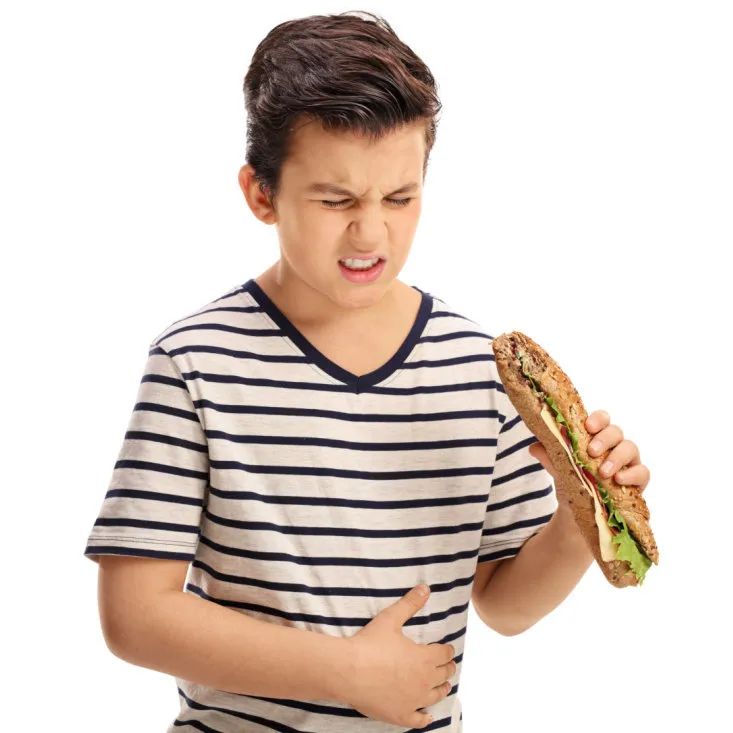
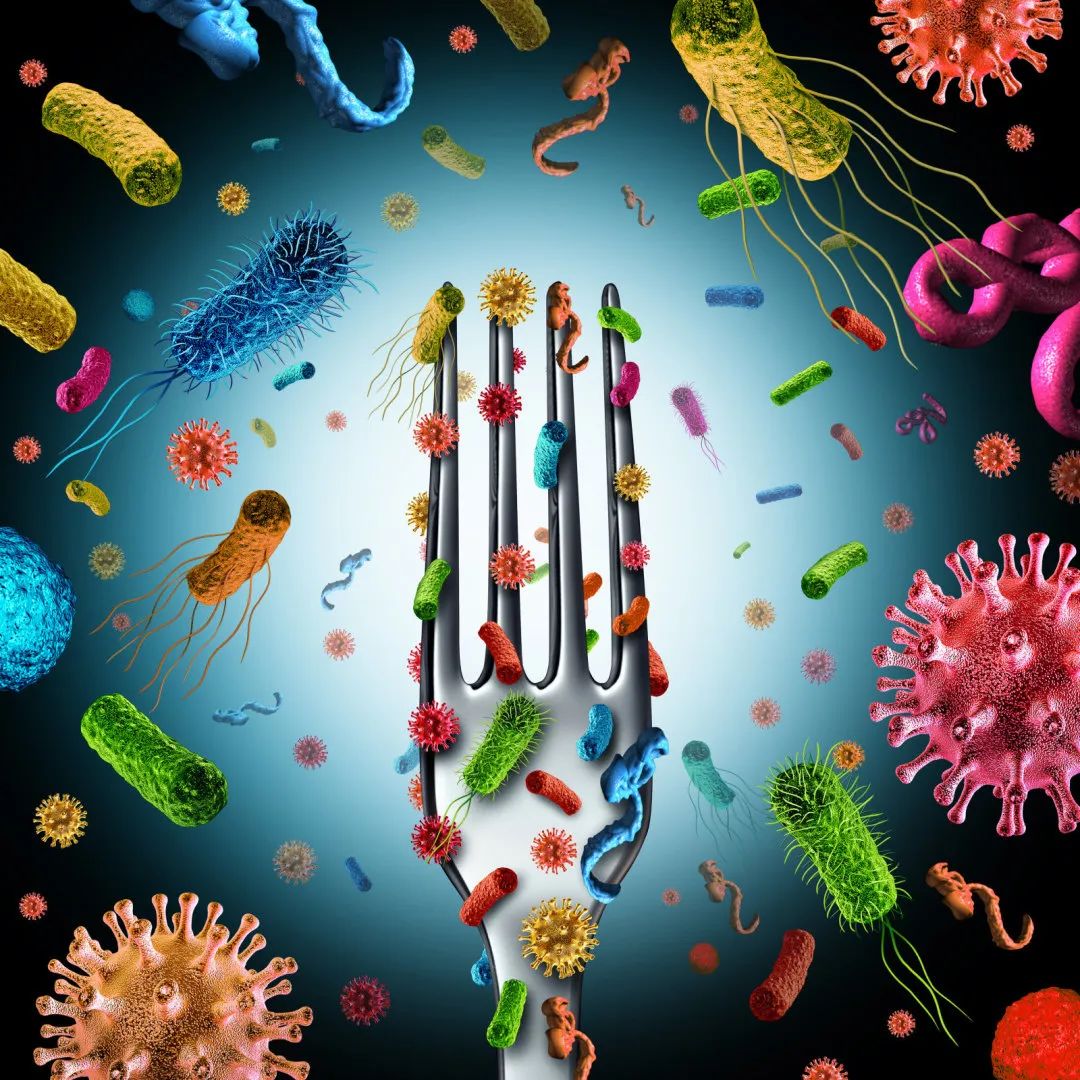
About food poisoning

Original SCMC VIP Shanghai Children’s Medical Center International Treatment Department

Every year, about 48 million people in the United States suffer from food poisoning (also known as food-borne diseases). This happens when pathogens such as viruses, bacteria and parasites or their toxins enter food. Before buying food or at home, food will be contaminated by harmful microorganisms if it is not handled or cooked properly.

Symptoms of food poisoning

The symptoms of food poisoning are usually similar to other intestinal diseases: abdominal cramps, nausea, vomiting, diarrhea and fever. But if children have the same symptoms as other people who eat the same food, it is more likely to be food poisoning.

Some bacteria and food poisoning

Other sources include:

salmonella

Salmonella (there are many kinds) is the main cause of food poisoning in the United States. The most common contaminated foods are raw meat (including chicken), raw or undercooked eggs and unpasteurized milk. Fortunately, when the food is completely cooked, Salmonella will be killed. Symptoms caused by salmonella infection usually begin 6 to 48 hours after eating and may last for 7 days.

If the baby’s milk powder is contaminated by Cronobacterium or Salmonella, there may be symptoms such as poor eating, temperature change, jaundice, wheezing, abnormal exercise, drowsiness, rash or blood in urine or stool.

escherichia coli

Escherichia coli is a group of bacteria that usually live in the intestines of children and adults. Some strains of these bacteria can cause food-related diseases. Undercooked ground beef is a common source of Escherichia coli, and raw agricultural products and polluted water can also cause it.

Symptoms of Escherichia coli infection usually include diarrhea (ranging from mild to severe), abdominal pain, and in some cases nausea and vomiting. Some E.coli symptoms are very serious, and in rare cases, they even lead to death. Take more rest and drink plenty of water when Escherichia coli is infected. However, if the symptoms are serious, you need to go to the hospital in time.

Staphylococcus aureus

Staphylococcus aureus pollution is the main cause of food poisoning. These bacteria usually cause skin infections, such as acne or boils. When an infected person touches food, the pathogen will spread. When the food is not hot enough, staphylococcus will multiply and produce a toxin that ordinary cooking can’t destroy. These symptoms begin 1 to 6 hours after eating contaminated food and usually last for about 1 day.

Clostridium perfringens

Clostridium perfringens is a kind of bacteria often found in soil, sewage and human and animal intestines. It is usually transferred from the person who handles the food to the food itself, where it breeds and produces toxins. Clostridium perfringens often appears in school canteens. The most commonly involved foods are cooked beef, poultry, gravy, fish, casseroles, stews and bean burritos. Symptoms of this type of poisoning begin 6 to 24 hours after eating and last for 1 to several days.

Shigella disease

Shigella infection, or shigellosis, is an intestinal infection caused by one of many kinds of Shigella. These bacteria can spread through contaminated food and drinking water, or in places with poor sanitary conditions. Bacteria invade the intestinal lining, which can cause symptoms such as diarrhea, fever and spasm. Shigellosis and its symptoms usually start 1-3 days after contact and get better 2-3 days after symptoms appear. Meanwhile, children should drink more water. Depending on the situation, the doctor may prescribe antibiotics, which can shorten the time and intensity of infection.

Campylobacter

Campylobacter is a kind of bacteria, which usually exists in raw or undercooked chicken, unpasteurized milk or polluted water. Children infected with Campylobacter usually have watery diarrhea (sometimes with blood), spasm and fever after eating contaminated food for about 2 to 5 days. Diagnosis requires stool samples for laboratory testing. In treatment, it is necessary to ensure that children drink plenty of fluids to replenish the water lost by diarrhea. Depending on the specific circumstances, the doctor may prescribe antibiotics. In most cases, symptoms will improve in about 2 to 5 days.

botulism

This is a rare but serious food poisoning caused by Botox. These bacteria usually exist in soil and water. However, they usually do not cause diseases because they need very special conditions to reproduce and produce toxins. Botox grows best under anaerobic and certain chemical conditions. This is why improper canned food is the most vulnerable to pollution, especially low-acid vegetables, such as green beans, corn, beets and peas.

Honey may also be contaminated by Botox, leading to serious diseases, especially for children under one year old. This is why it is not recommended to eat honey before the baby is one year old.

Botulinum poisoning can attack the nervous system, leading to diplopia, drooping eyelids, decreased muscle tone, difficulty swallowing and breathing. It can also cause vomiting, diarrhea and abdominal pain. Symptoms usually appear within 12 to 48 hours and last for weeks to months. Babies may have a longer incubation period. Botulinum poisoning can be fatal if left untreated. Even after treatment, it can cause nerve damage.

cryptosporidiosis

In rare cases, watery diarrhea, low fever and abdominal pain may be caused by cryptosporidium infection. This kind of infection deserves special attention in children with abnormal immune system.

Other sources of food poisoning

Poisonous mushrooms, contaminated fish products and foods containing special seasonings may also cause food poisoning. If the child has unusual gastrointestinal symptoms and has any possibility of eating contaminated or toxic food, he should go to the hospital in time.

Food poisoning | treatment

Most children with food-borne diseases will get better by themselves after stopping eating and drinking for a short time. If the child still vomits or diarrhea is not obviously relieved or other discomfort symptoms appear, please go to the hospital in time.

If the following symptoms occur:

There are signs of dehydration

bloody diarrhea

Diarrhea with high fever (over 39 degrees)

Persistent diarrhea, a lot of water in the stool or abnormal stool characteristics.

Suddenly become weak, numb, confused or uneasy, and feel tingling, or have hallucinations or difficulty breathing.

……

The treatment depends on the child’s condition and the type of food poisoning. Tell the doctor about children’s symptoms, what food they have eaten recently, and where they got it. If the child is dehydrated, supplementing water is the key, and sometimes antibiotics are useful. If the disease is caused by an allergic reaction to food, toxins or seasonings, antihistamines will help. If the child has botulism, he needs hospitalization and intensive care.

Writing | Yang Yijia

Audit | Shen Xiaoyu

Photography | Xu Yazhen

Production | Hu Yi

Read the original text