What if the brakes fail? Traffic Police Tips: Four steps are very important, and you have to learn by rote.
In daily driving, we always hope that every trip will be safe and smooth, but occasionally we will encounter some unexpected situations, such as brake failure. At this moment, calm and correct countermeasures have become the key to protect our lives. Today, let’s discuss in depth. When the brakes suddenly fail, the four crucial steps, even if they are rote, must be kept in mind, because they may be your "life-saving straw" in an emergency.
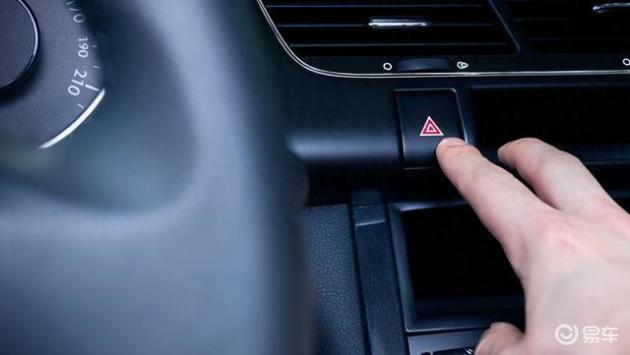
Step 1: Alert the surroundings to ensure a safe space.
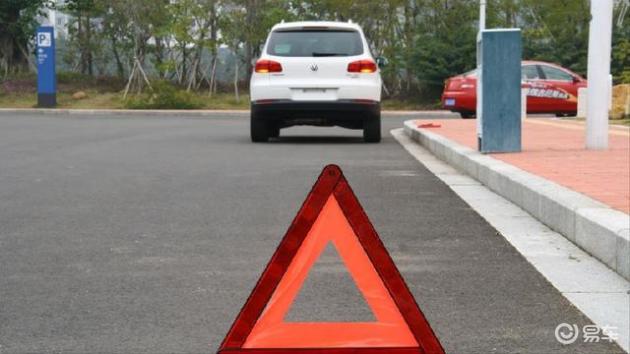
Once the brake failure is detected, the first task is to warn the surrounding vehicles. Turn on the double flashing lights quickly, just like the banner of "pay attention to me" held high in a busy street, telling other drivers: "There is something wrong with my car, please keep your distance!" At the same time, honking the horn for a long time is the most direct distress signal at the moment, although the harsh sound is not pleasant to the ear. This series of actions is like fighting for precious reaction time and space for yourself.
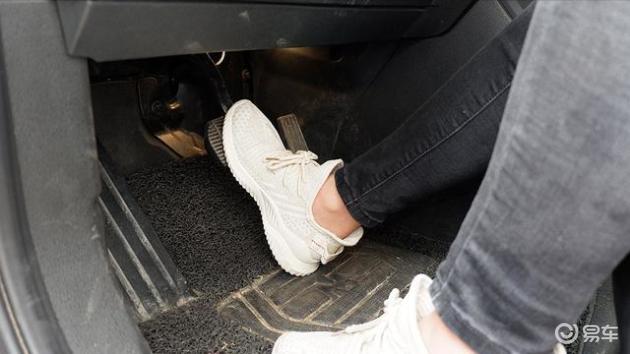
Step 2: Cut off the power and use inertia to slow down.
Next, choose the appropriate deceleration mode according to the road conditions. On flat or uphill roads, whether it is a manual or automatic transmission vehicle, the power output of the engine can be cut off by putting it into neutral. This is like loosening the tight string and letting the vehicle slow down slowly by its own inertia.
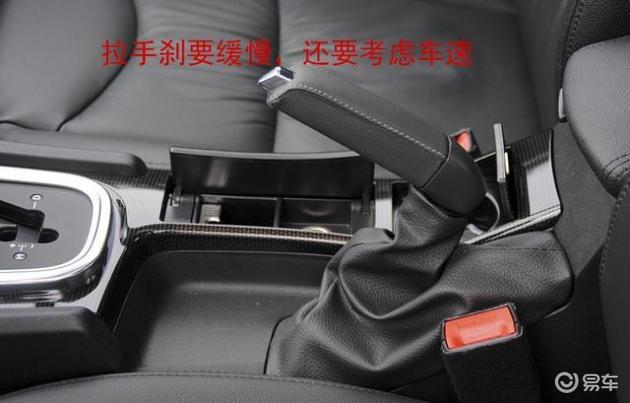
At this point, hold the steering wheel tightly with both hands to keep the vehicle stable, and then slowly pull the handbrake, paying attention to "slowly" to avoid sudden braking and causing the vehicle to get out of control. For the electronic handbrake, continuous pulling is the key to make the system understand that this is not a misoperation, but a real braking demand.
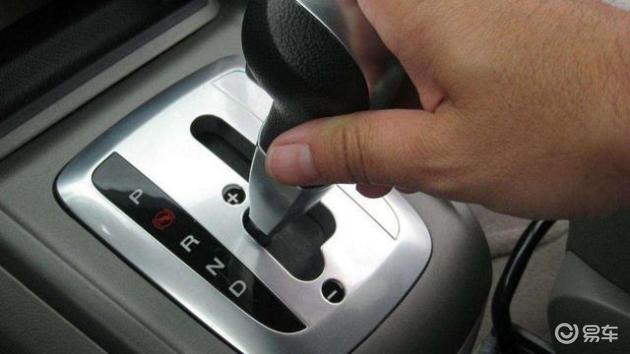
Step 3: Downhill section, use low gear to reverse drag.
The situation is even more complicated if the brakes fail on the downhill section. When going downhill, gravity will accelerate the vehicle forward. If you directly put in neutral, the vehicle speed may rise instead of falling, and the risk factor will increase greatly. At this time, it is particularly important to use the braking function of the engine. Manual gear vehicles can be lowered into low gear in turn, and the high speed of the engine is used to reverse the vehicle to slow down; Automatic transmission vehicles need to switch to manual mode (M gear), and also downshift step by step, and gradually reduce the speed with the hand brake. Remember, this is a contest with gravity, and every step of the operation needs to be cautious.
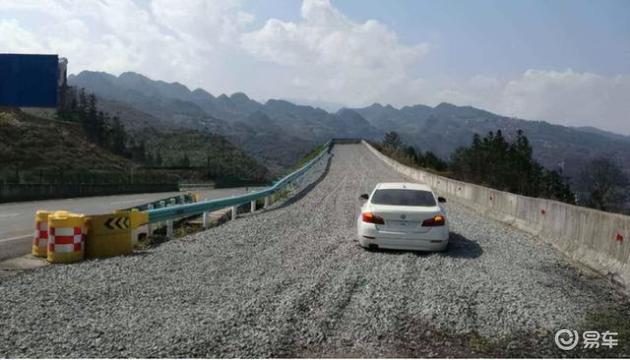
Step 4: In extreme cases, use physical friction to slow down.
If none of the above methods can effectively control the speed, then more extreme measures must be taken. Look for fences or guardrails on both sides of the road, use the side of the car body to rub gently, and slow down the speed through physical friction. This step sounds thrilling, but it is a last resort.
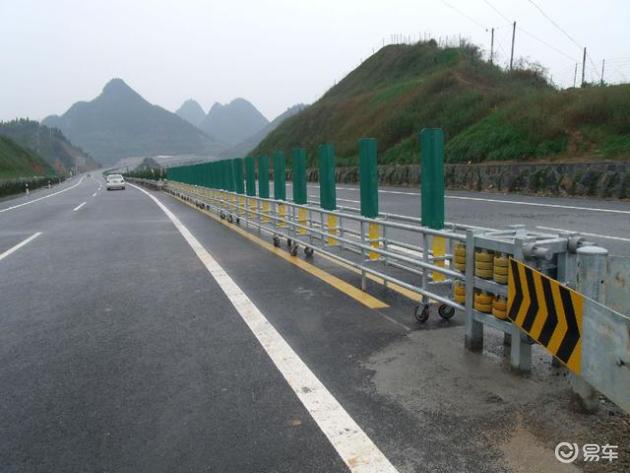
Remember, it’s a "light rub", not a frontal impact, because the impact of a frontal impact is enough to cause serious consequences. Keep rubbing until the vehicle comes to a complete stop.
Conclusion:
Brake failure is a nightmare that every driver doesn’t want to encounter, but mastering the correct countermeasures can save the day at a critical moment. These four steps are not only a test of technology, but also a tempering of psychological quality. Remember, calm, decisive and correct operation is the attitude that every driver should have when facing an emergency. So, in the face of such an emergency, have you got a plan? Will you make the right response at the first time? Driving safely, starting from me, makes every trip a journey of peace of mind.