My husband is friends with his dead wife’s lover. I dare to make Japanese art films …

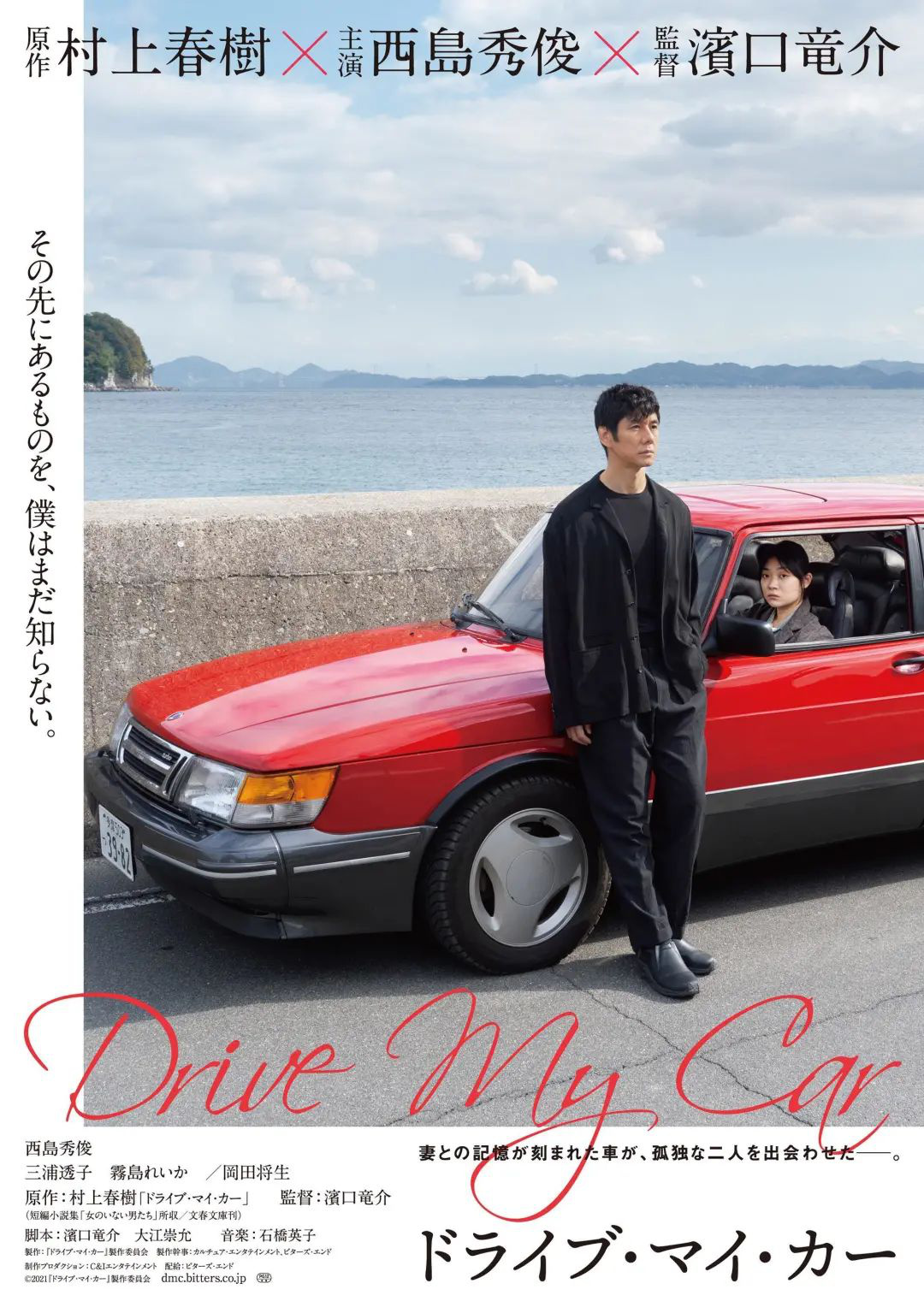
This year, Japanese director Ryūsuke Hamaguchi proved himself with two powerful works, Accidental and Imagination, and Driving My Car, which was adapted from Haruki Murakami’s short story of the same name. The latter explored artistic creativity and intimate relationship, and the connection between people shuttled between the drama stage and the truth of life, pointing directly at those dark black holes in the mind.
There are spoilers in this article.
one
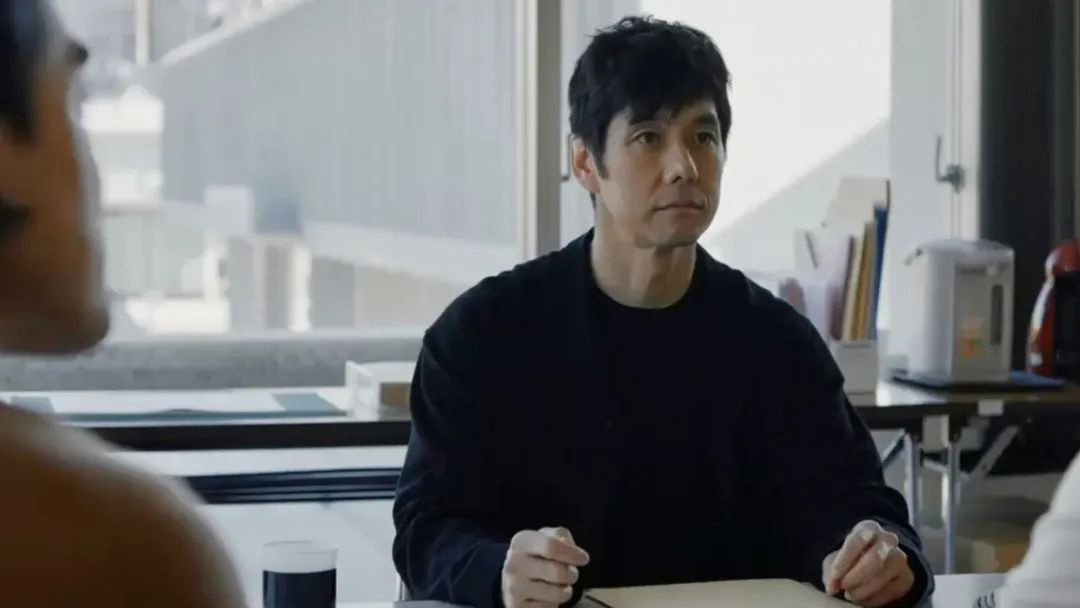
The story takes place in Tokyo. Jia Fu, played by Hidetoshi Nishijima, is a successful actor and drama director. He is good at creating experimental dramas, is performing Waiting for Godot, and is preparing for the next project, Uncle Vanya.
Yin is Jia Fu’s wife, a successful writer and screenwriter. She has a habit of improvising new plots when having sex with her husband.
Jia Fu’s relationship with his wife is rather strange. They respect each other like guests, and they are at arm’s length. Their only daughter died 20 years ago, which really affected their relationship.

Yin’s life is very indulgent. She has many lovers, and she doesn’t hide it. Jiafu is naturally not difficult to find, but even if she witnessed his wife’s infidelity in her own home, he didn’t expose it. Soon after, Yin died of a sudden cerebral hemorrhage, and Jia Fu lost his beloved wife and his best partner at work.
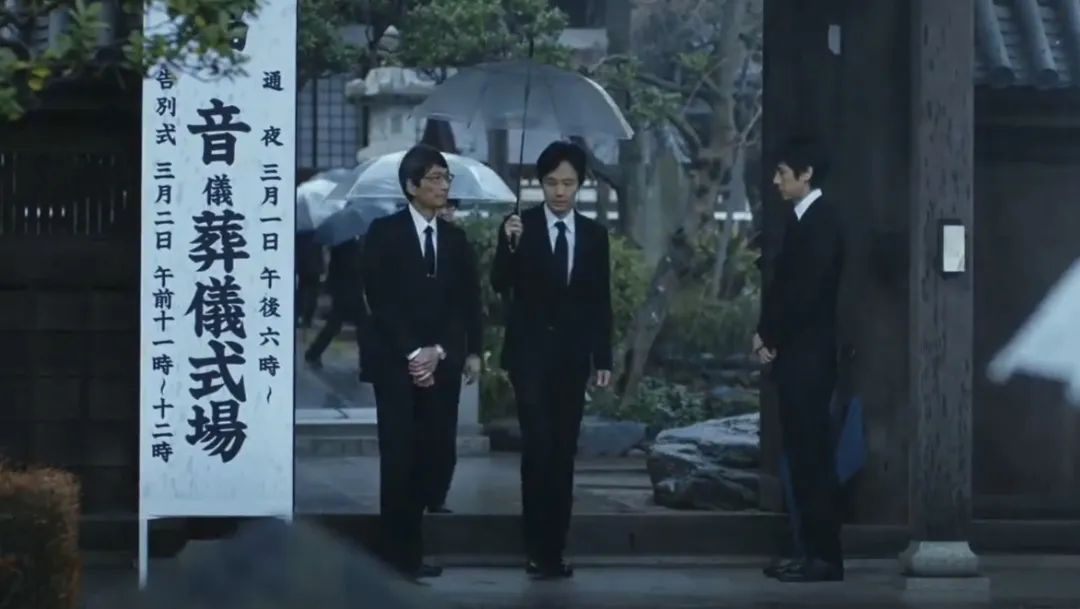
The death of his wife was a great blow to his family. Of course, he had to live with his wife’s secret and never untied his heart again.
Two years later, Jia Fu accepted the invitation to direct Uncle Vanya at the drama festival. For insurance reasons, he was asked to hire a professional driver. Jia Fu resisted. For him, this was a gross violation of his private space.
The hired driver is a taciturn young woman who never leaves her hand, giving people a hard and difficult feeling of communication, but it is also reassuring.
In the car, the two shared a long distance, but the recording of Chekhov’s drama filled the boring silence.
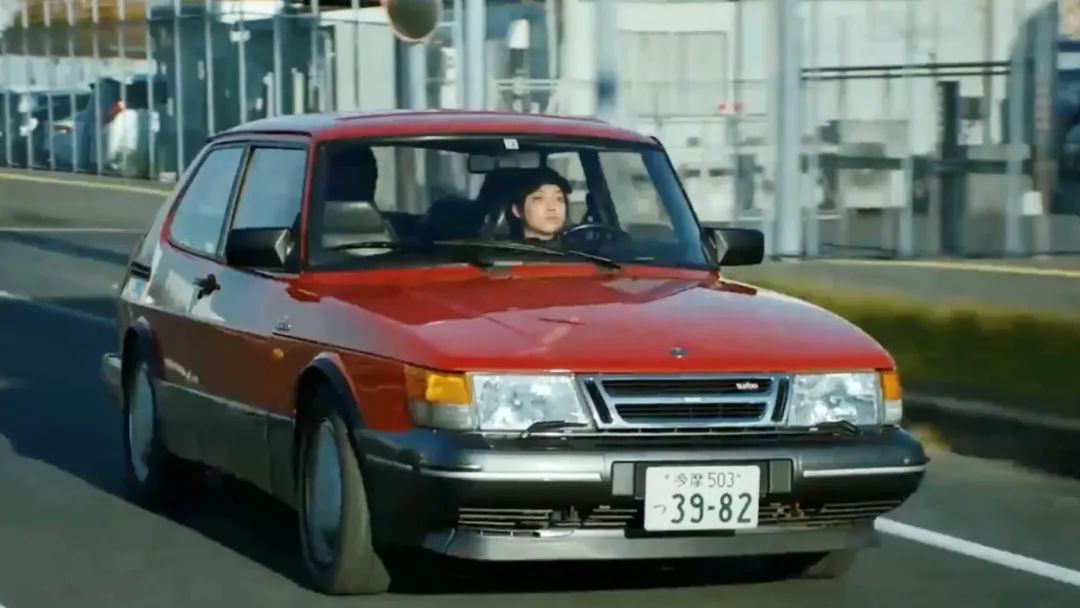
The lines rolled in the car, and Jia Fu read the lines with the voice of his dead wife. He regarded this as a kind of self-training and could not be disturbed. Many times, these lines become hints about life, and the driver drives silently, just like listening to Jia Fu’s story.
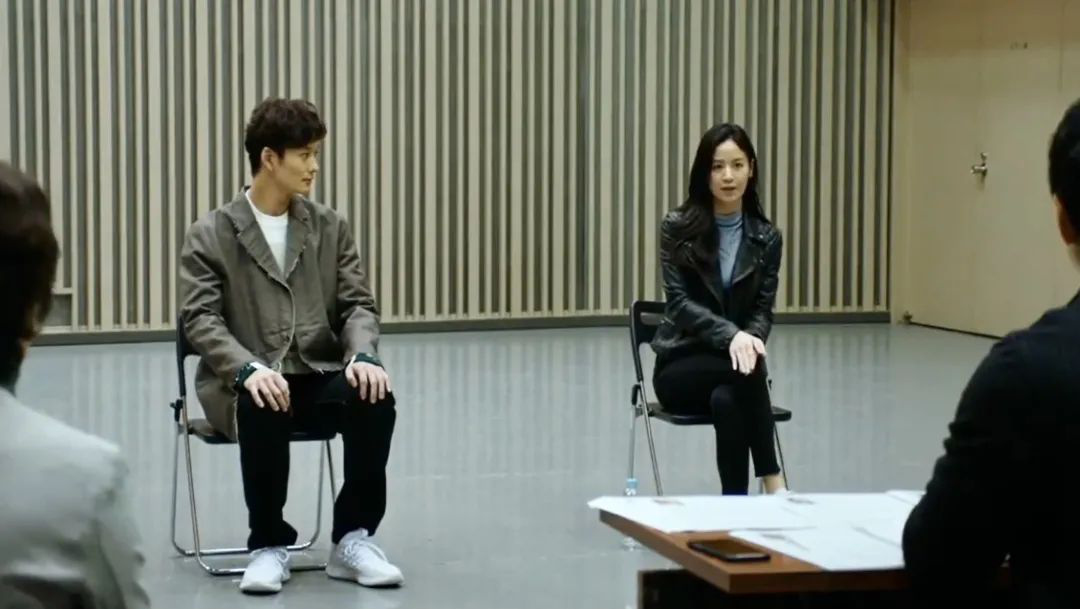
Among the actors who came to audition, there was a man who was the ex-lover of Jia Fu’s dead wife. He was handsome but a little arrogant. However, Jia Fu quickly decided on the actor and even made him play the leading role, but the difficulty of the role was obviously beyond his ability, which made him very uneasy.
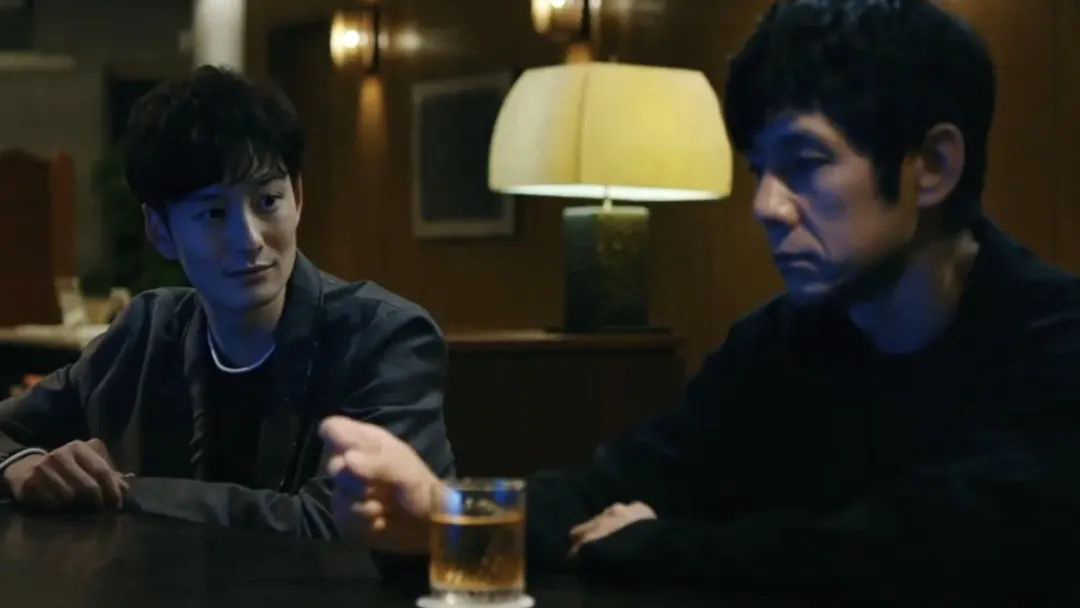
They drink together and establish a friendship in the name of the dead sound. This friendship is essentially a performance, in which two injured souls test each other. As a middle-aged man, Jia Fu showed his skillful and exquisite acting skills. He tried to find out the truth about his late wife, a private field that he had never set foot in.
2
Most of the actors selected by Jia Fu are amateurs. He requires each actor to translate his lines in his mother tongue, so these people speak Japanese, Mandarin and Filipino, and one Korean uses sign language, while her partner is responsible for translation.
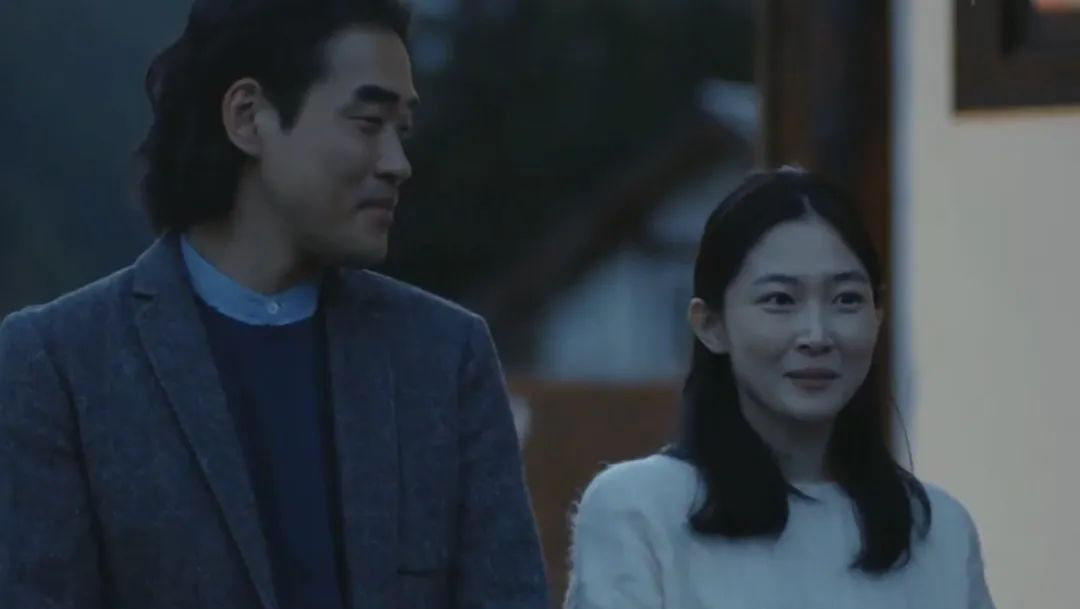
Ryūsuke Hamaguchi tried to blur the boundary between the role and the real person. The initial stage of reading the script was the most embarrassing, but the effect was natural. In fact, they just focused on their own lines and responded according to the performance of others, instead of thinking about how to act.
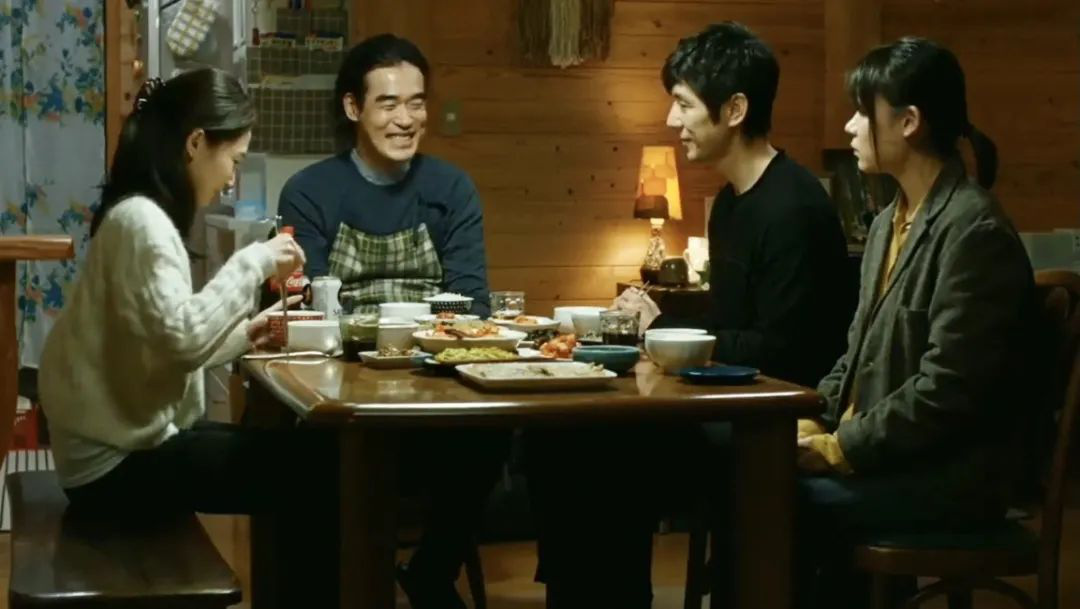
"Drive My Car" completely describes the complicated evolution process of the whole crew. Actors complain that Jia Fu likes to repeat boring processes endlessly, and he will say "Chekhov is terrible". Jia Fu thinks that the text has absolute power, and actors can see naked themselves in the works.
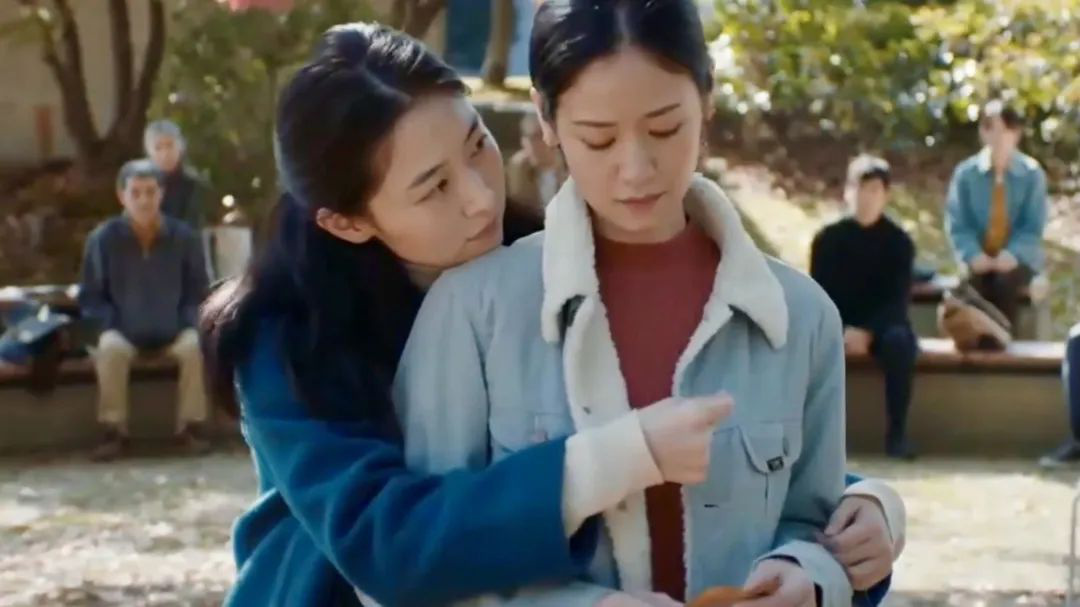
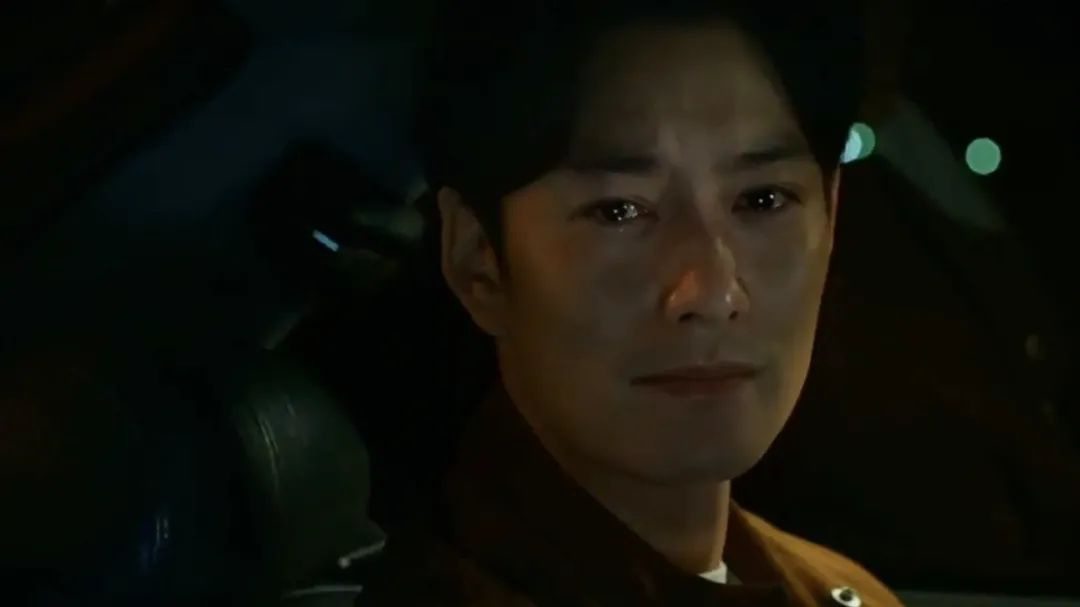
Hidetoshi Nishijima and Okada Masaki both gave impressive performances. The latter’s monologue in the car was wonderful. He told Jia Fu about the sound in his eyes. What shocked Jia Fu most was that the sound told his lover a completely different story.
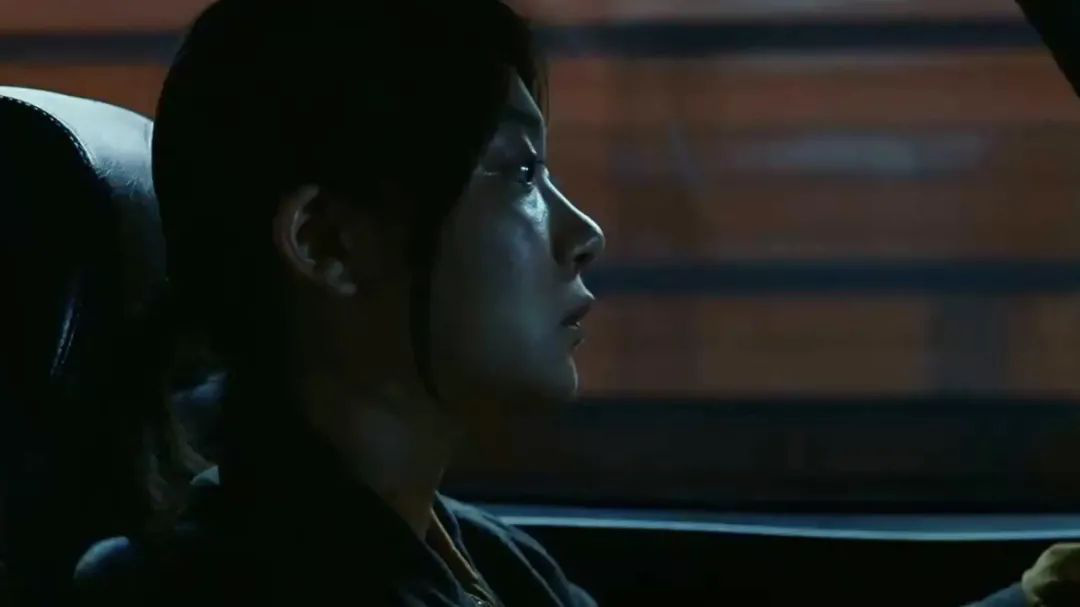
At this time, Jia Fu’s only relief is to drive with the driver. She has been listening and telling her own story about how she learned to drive, how to get along with her depraved and violent mother, and similar experiences with Jia Fu, and she has similar remorse.
In fact, it is possible for Jia Fu to save the sound, but at that time, he felt abandoned, wandering outside and staying home.
After his wife’s death, he regretted it all the time, but the fact that he has been playing others all his life, but he never knew himself, is much more transparent than Jia Fu.
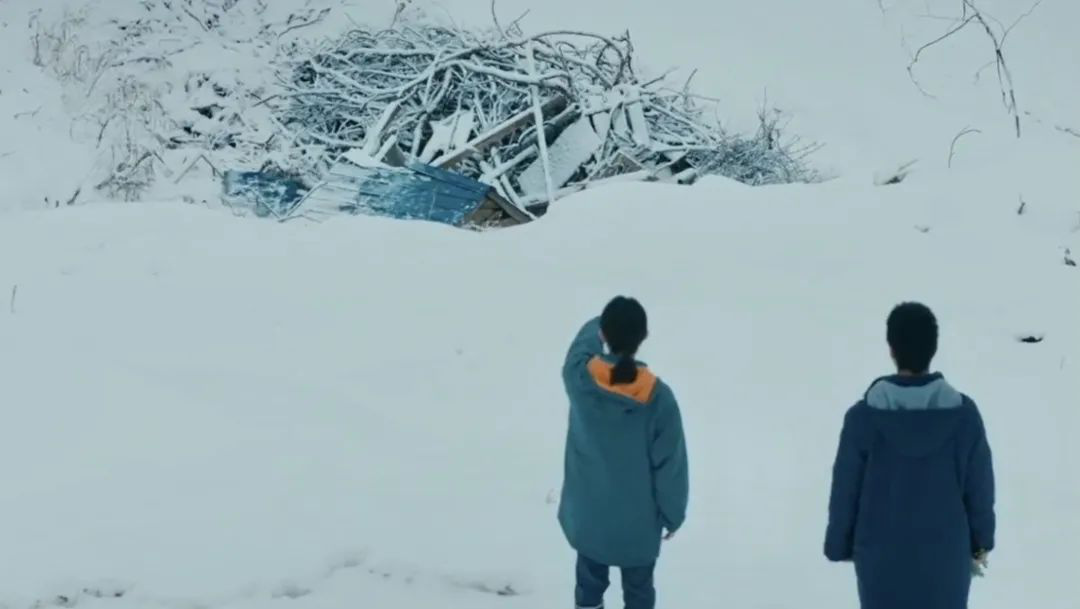
Similarly, when the whole family was in trouble, the driver could have saved her mother, but she hesitated. At that moment, she admitted that she thought of her mother’s "good side", but she still didn’t save her. This is not hate, but not enough love, or they have been creating and maintaining the illusion that they love their wives/mothers very much.
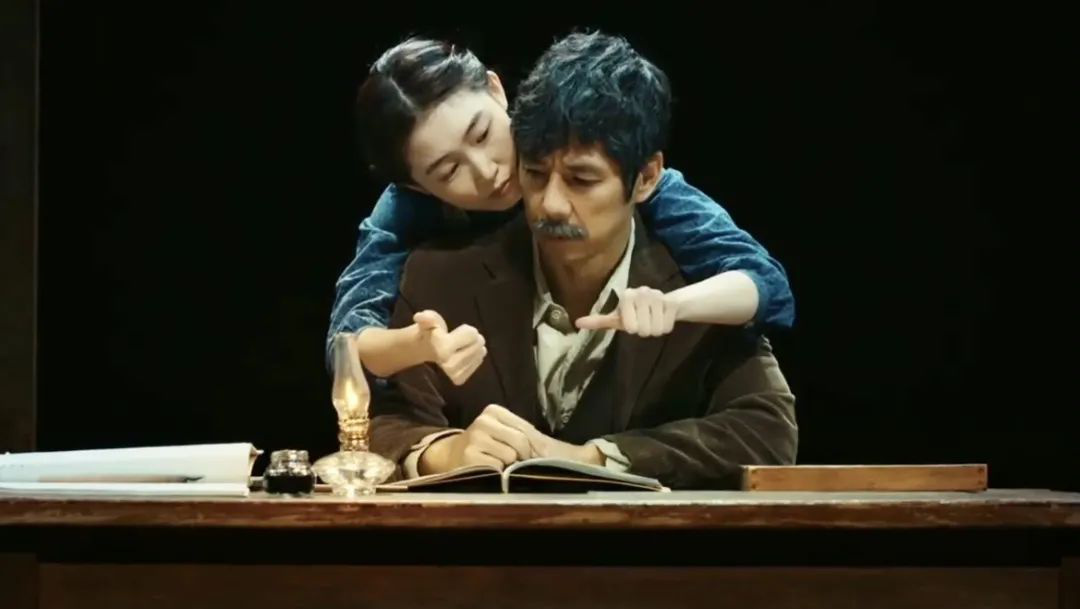
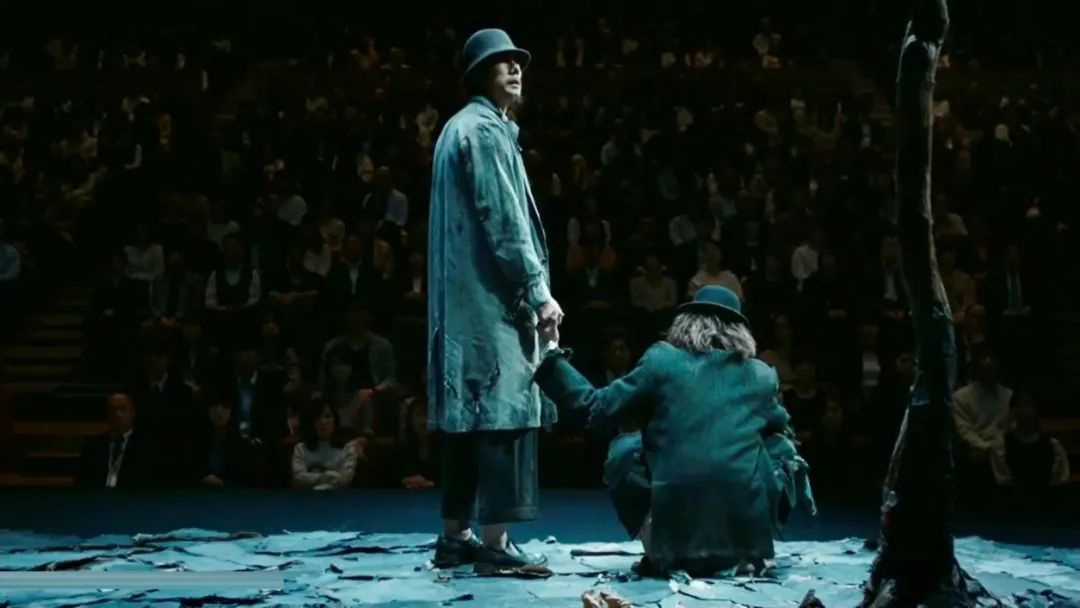
In the end, Jia Fu played this key role. The theater was confused with his life, and his lines pointed to the hope of life.
three
Driving My Car and Burning are both adapted from Haruki Murakami’s works, but they are handled in very different ways. Li Cangdong drastically cut down the text, while Ryujie Hamaguchi adopted a looser strategy. In nearly three hours, he stuffed too many things, even including the training process of his own performance workshop.
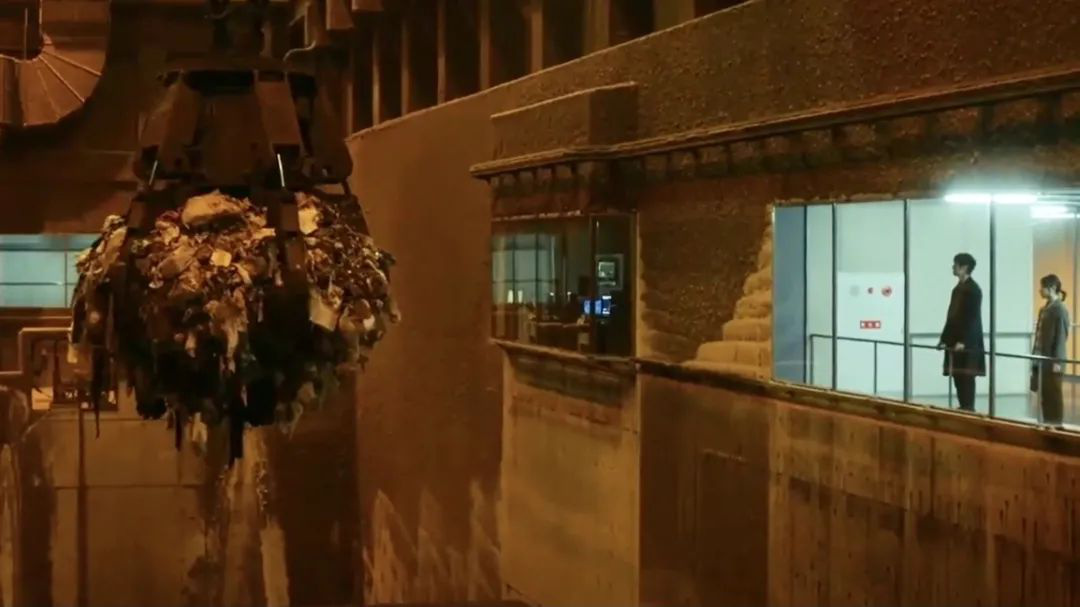
Jia Fu clung to everything he could grasp, such as the car he carefully repaired and the tape that he played repeatedly. He looks weak, but he is very strict with himself and others. This personality is potentially divisive, but actor Hidetoshi Nishijima just gives people a sense of seriousness and unpredictability.
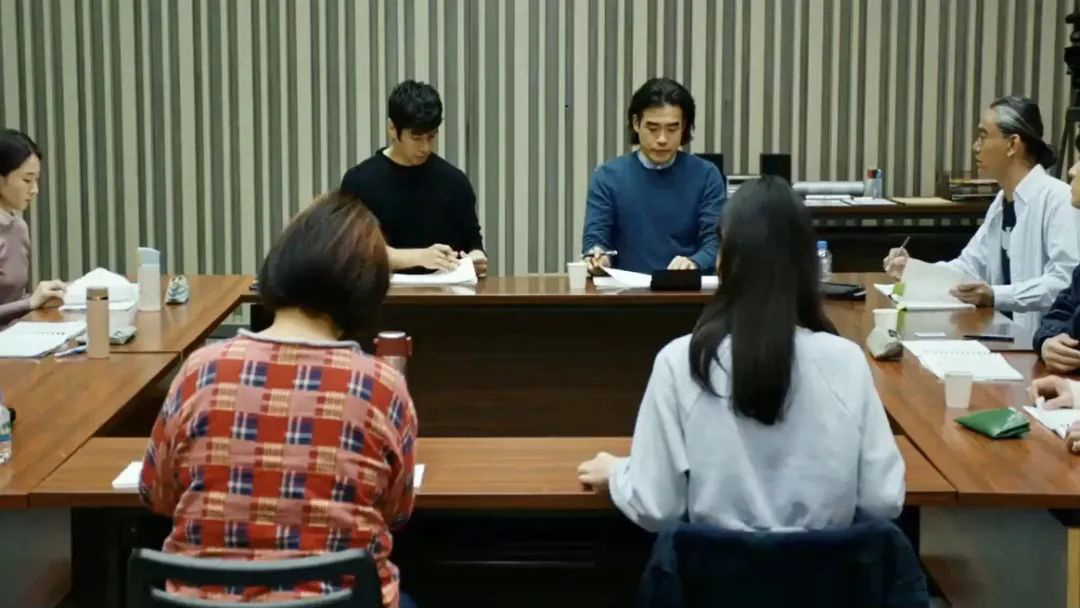
Ryūsuke Hamaguchi’s works are always full of conversations in the car, but "Drive My Car" is car-centered, and can even be regarded as an unusual road movie. In the film, the car runs in a cycle on the highway, taking the same route every day, just like the same scene they rehearsed repeatedly, so the space inside the car has become a stage that cannot be ignored.
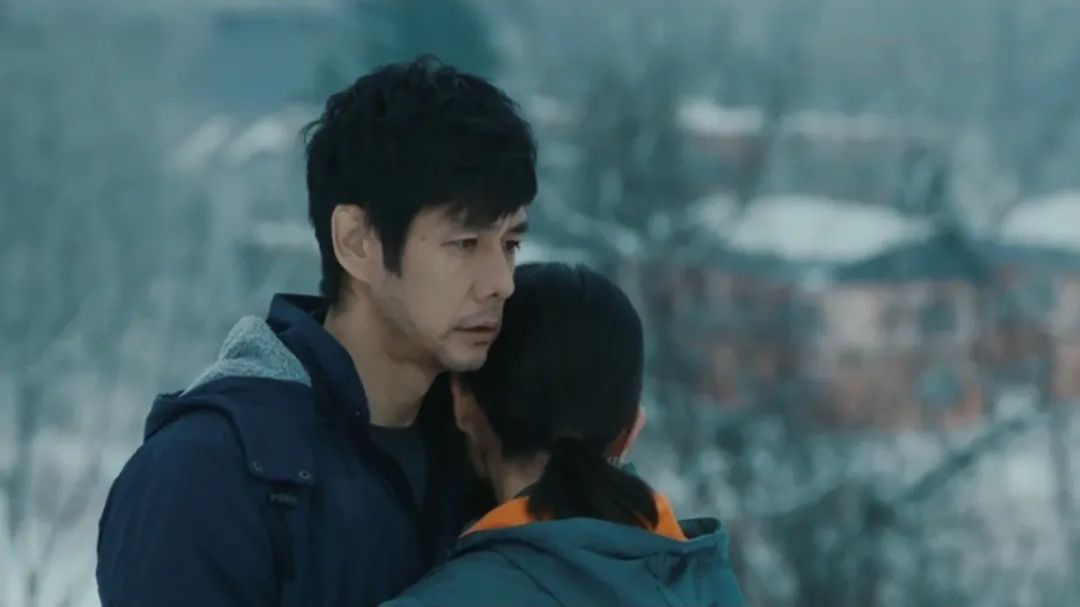
In addition, Ryūsuke Hamaguchi got inspiration from the lines in Uncle Vanya, and divided Chekhov’s classic into a recurring theme. Through the stressful silence, ghostly gaze and obscure dialogue, every paragraph conveyed inexplicable pain and melancholy.
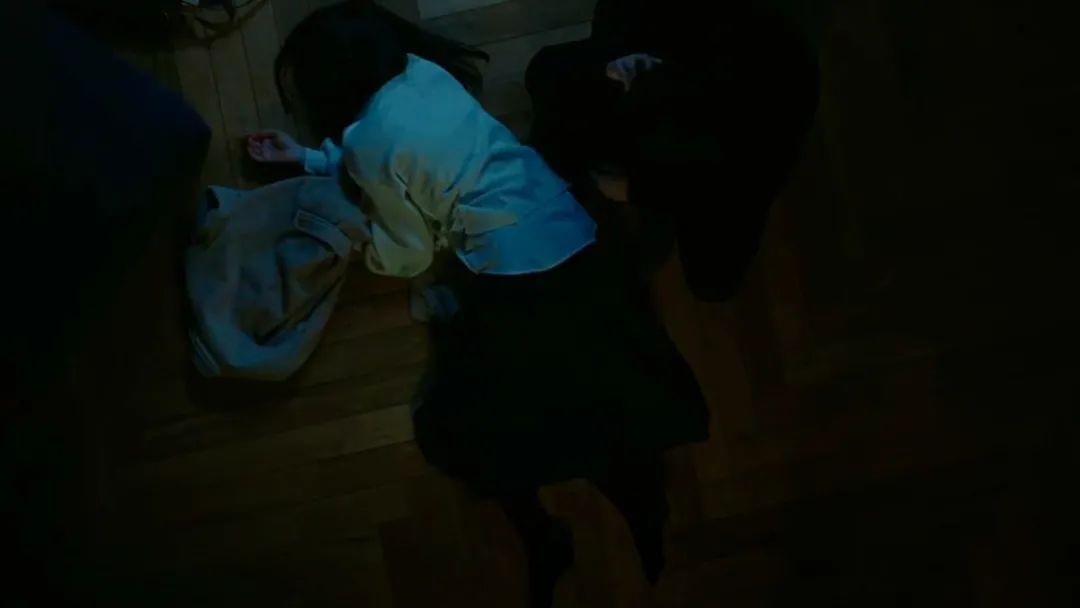
"Drive My Car" wraps a failed marriage. This man plays a role in life and projects his desire for performance on his wife. He is afraid of being separated by emotional cracks, so he doesn’t want to face the problem, just plays a safe role and dares not admit the truth that he "doesn’t love his wife enough".
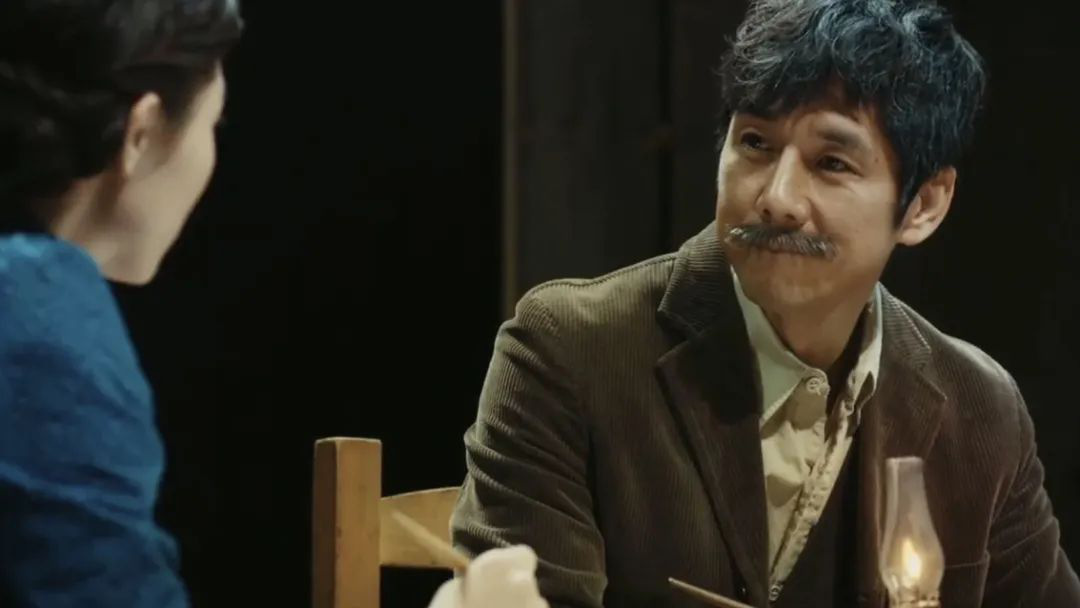
This time, Ryūsuke Hamaguchi’s film language has reached a new level, and his unique narrative aesthetics is becoming more and more mature and profound. Only through quiet dialogue and scene switching, he can lead the audience into sadness. This may be his best film so far, and he must not miss it.
The picture in this article comes from the Internet.
@Movie
Recommend reading