Expose 7 recovery misunderstandings that make runners often into the pit.

Original load | Trail Runner
Author | Megan Flanagan MPH CPT
Translation and proofreading | WR China Team
Image | womensrunning.com
Running is a unique sport.
Let people feel happy when exploring rugged terrain and beautiful scenery.
At the same time, runners are also facing various unique challenges.
Especially in terms of physical recovery.
Whether you are an experienced runner,
Or a newcomer who just got his first pair of professional running shoes,
All those things about physical recovery,
You must find out whether it is true or not.
Or the illusion of no reason.
Here we will combine experienced coaches.
And professional runners,
Expose the recovery misunderstanding that runners often encounter.
Myth 1
The greater the running amount, the better the recovery effect.
Many runners think that increasing the amount of running can help them recover faster after high-intensity exercise, while others think that they should immediately enter a new race after a big super-run. In fact, running too much without proper rest can lead to overtraining and hinder recovery. Moreover, adding "garbage mileage" and endless double training amount to daily training will aggravate fatigue and will not bring us the extra benefits we want.
After Courtney Dowart became the top 100 in the West, Hard Rock and UTMB in two months, we all want to know how she achieved this achievement. But even she stressed the importance of not being too radical and taking a step back.
She said in a recent interview: "I am trying to recover. The key point now is to make sure that everything is supplemented as long as possible, mentally, physically and emotionally … After such recovery, I am confident to say that no matter what my plan is for next year, I am ready to start again. "
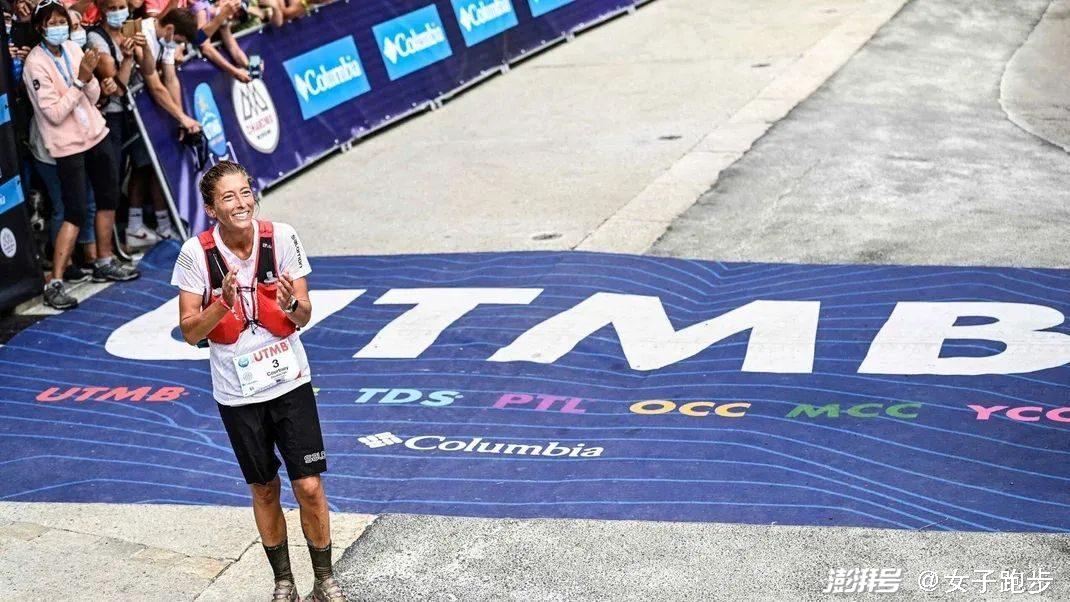
▲ Courtney Dowart won the UTMB this year.
Recovery is not just to stop running occasionally, but to provide time for the body, mind and spirit to repair. Overtraining may lead to injury and require longer rest. More is not always better. Although you may increase the amount of training, be sure that such training will not bring negative effects to yourself.
Myth 2
No pain, no effect.
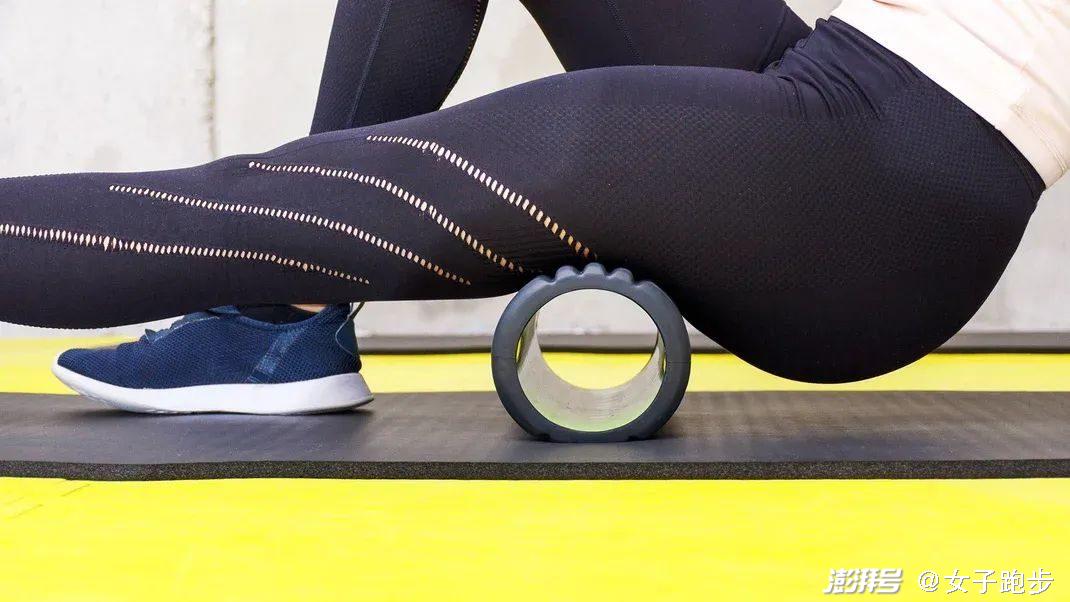
Enduring pain in recovery activities such as foam shaft rolling or stretching should not be the criterion to confirm the effect in recovery. Although there will be some pain or discomfort during the release of myofascia or deep massage, severe pain may indicate that you have been injured or improperly used, and it may lead to bigger problems.
Dr Sarah Zimmer, a physical therapist, stressed that "the perception of pain is very important. Some people will overdo it when they do rehabilitation because they are afraid of being injured. " In view of this mentality that there is no pain, there is no effect, Zimmer added, "This mentality is definitely not applicable to restorative sports such as strength training and foam shaft rolling. It is very important to distinguish between pain and discomfort. When rolling the foam shaft, you may press the sensitive points in the muscle tissue. It can cause tenderness, spasmodic reaction and involved pain. Pressing or stretching these areas with foam shafts or stretching exercises can relieve tense muscle bands and enhance body extensibility, joint flexibility and muscle function. "
So, should you feel pain? Yes, you may feel sore and painful when rolling the foam shaft, but it is very important to keep it in your comfort zone and have a proper rest as needed. Excessive exertion will lead to excessive soreness and potential muscle damage, which will make the muscles tense again.
The next time you use a foam shaft or pose in yoga, please pay attention to your body signals. If you encounter severe or even unbearable pain, that kind of recovery is ineffective and even requires immediate vigilance. Give priority to gentle and effective methods, and consider consulting professionals such as massage therapists, physical therapists or chiropractors for targeted guidance.
Myth 3
Active recovery is an effective shortcut.
Although active recovery methods such as stretching, foam shaft rolling and compression boots may be beneficial, they only represent one aspect of the recovery process. It is also important to integrate passive recovery methods into our daily life, such as ensuring adequate sleep, maintaining proper water and maintaining a balanced diet. Many research reports and athletes’ practice have confirmed this point:
A comprehensive study published in the Journal of Sports Medicine in 2006 emphasized that "there is not enough substantial scientific evidence to prove that the investigated recovery mode is the only way for elite athletes to recover … Future research should include cases that can reflect the actual situation faced by elite athletes and further explore the effectiveness of various recovery modes. In addition, the upcoming evaluation should consider factors such as glycogen synthesis rate after exercise and the role of inflammation in recovery and adaptation. " It is worth noting that nutrition, sleep and training can directly affect glycogen synthesis and inflammation, which may mask the effect of active recovery.
Red Bross, a professional cross-country runner and coach, shared: "I think the biggest misunderstanding of recovery is to believe that there is a shortcut to physical recovery. If you don’t care about your health, those recovery devices (boots, special foam shafts, etc.) or drugs won’t help you much. It is at least as effective as medicine or equipment to sleep more than eight hours regularly and have enough nutritional supplements when training hard. "

Incorporate active and passive recovery into your daily life. Although active recovery is not necessarily harmful, priority should be given to the most basic recovery methods, such as good sleep and balanced diet.
Myth 4
There must be something magical about high technology
When striving for the best results, we often seek cutting-edge recovery methods to ensure the highest level of training and competition. Many athletes have used ice bath, cryotherapy and infrared sauna for a long time, but recent research has drawn a question mark on this:
The research of Ethan M, Abbiss Cr and Alan R in 2021 shows that the effect of cold water immersion (CWI) after exercise varies with the type of exercise, which has potential benefits for aerobic performance, but will reduce the adaptability to resistance training.
In 2019, Wilson and others found that WBC may have more advantages than cold water immersion, which can alleviate some reactions after resistance training. However, neither cryotherapy is superior to placebo in accelerating recovery.
The research in the field of infrared sauna is still limited. However, an early study on male basketball players shows that this recovery method may have certain advantages. After strenuous exercise, compared with passive recovery, infrared sauna can accelerate the heart rate, change some autonomic nervous systems, reduce muscle soreness, and have a higher degree of sensory recovery, although this feeling is subjective (research by Ahokas EK et al. in 2023).

▲ Infrared sauna is a new way to recover after training in recent years.
Zimmer also said: "Infrared light can penetrate deep into tissues, stimulate mitochondrial activity, and contribute to the regeneration of muscle cells and tissues. This is conducive to repairing the injury after exercise, reducing the influence of DOMS (delayed muscle soreness), and may promote the recovery of musculoskeletal injuries. "
The placebo effect may have played a key role. Ice bath can make people uncomfortable, cryotherapy and infrared sauna are expensive, and the long-term effect is uncertain. Although they seem harmless, you need to try a variety of recovery methods to find the one that suits you best.
"Cryotherapy and infrared therapy are valuable recovery tools, but the scientific evidence supporting their use in body tissue recovery is still limited," Zimmer said. "It is generally safe to try these methods, but please remember that the ideal recovery depends on the balance of many factors such as training, rest, nutrition, water and mental health, and which factors are more important varies from person to person."
Myth 5
Stretching is of course simple and effective
Not all stretching is effective. Different types of stretching (static, dynamic, PNF proprioceptive neuromuscular promotion therapy) have different effects on the body. Although static stretching can improve the range of muscle movement, it may not be the most suitable choice before running, and it has both good and bad effects on recovery. PNF has a similar effect, showing signs of improving the range of muscle movement, but it may have a negative impact on physical strength and sports performance if it is carried out before exercise.

▲ Dynamic stretching needs to stretch limbs through movements to achieve the maximum range of activities, which often involves the participation of different muscle groups.
Many coaches suggest that dynamic stretching before running is usually more beneficial, and static stretching after running is suggested to improve flexibility without affecting muscle strength. New research supports this view, showing that dynamic stretching can improve sprint-related performance, which translates into better running performance. Therefore, you need to stretch according to the specific needs of running. Dynamic stretching can help activate muscles and prepare the body for the coming challenges.
Myth 6
High-intensity training should always be done.
Some runners train too hard, while others increase the amount of training without thinking, or do the same type of training day after day (similar pace, similar distance). This is a trap that we must avoid.
So, how should we train? The latest research this year shows that lactate-guided threshold interval training (LGTIT), a large but low-intensity method, can achieve faster recovery by reducing central and peripheral fatigue. Combining this LGTIT method (in this study, the maximum oxygen uptake is 1 day per week, and the other 3-4 relaxation days) can achieve a higher absolute training speed. Although the metabolic intensity is relatively low (that is, the threshold area), it can maximize the number of driven neurons and motor muscle fibers. This training method may increase our mitochondrial adaptability and have a positive impact on our training without additional pressure.
In short, we can benefit a lot from weekly threshold training and climbing or other interval training. Make sure to combine a lot of easy to moderate intensity training with higher intensity training in order to get the best recovery from training (this is where the 80/20 rule applies).
Myth 7
Nutrition must be supplemented within 1 hour after running.
You can put down your chocolate milk and get to know the real situation first. The old rule that we must have a recovery drink in the "prime time" or precious recovery window after running is flawed. Of course, having said that, nutrition is still very important after running.
Ariza Lei Bai, a registered dietitian, explained, "We want to take carbohydrates and protein within 30 to 60 minutes after running to replenish glycogen reserves and repair muscle tissue. However, the study found that this approach is mixed. Studies have shown that taking a restorative diet within one hour can promote muscle protein synthesis more than delaying eating for one hour. But that doesn’t mean that eating late won’t work. Generally speaking, the sooner you eat after running, the better, but the anabolic window time may last about five to six hours. " For runners, it is very important to be able to distinguish whether the statement about recovery is fact or fiction. When you conquer rough terrain, please remember that effective recovery requires you to get enough rest, nutrition and be able to listen to your body.